Crimson User Day 2023
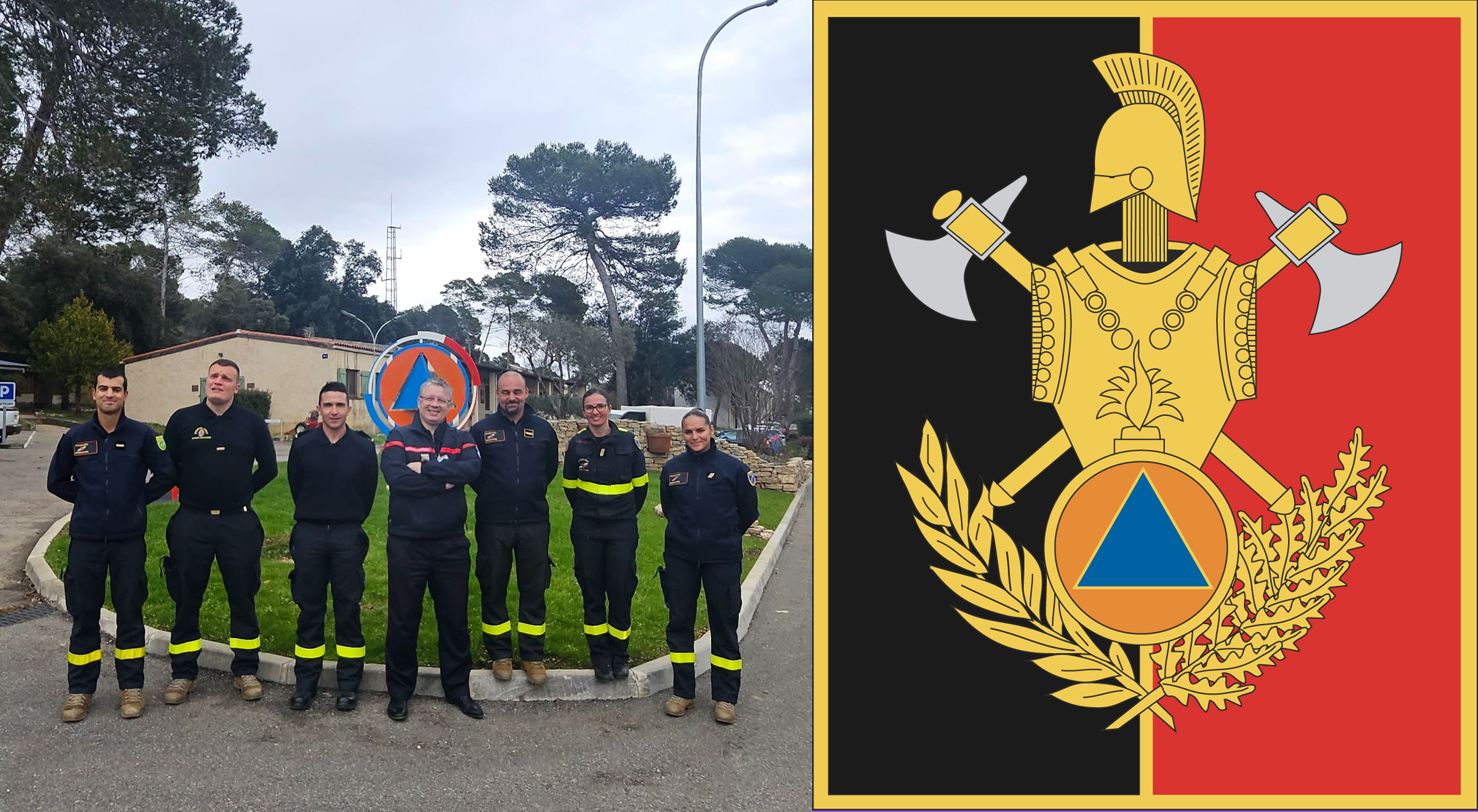
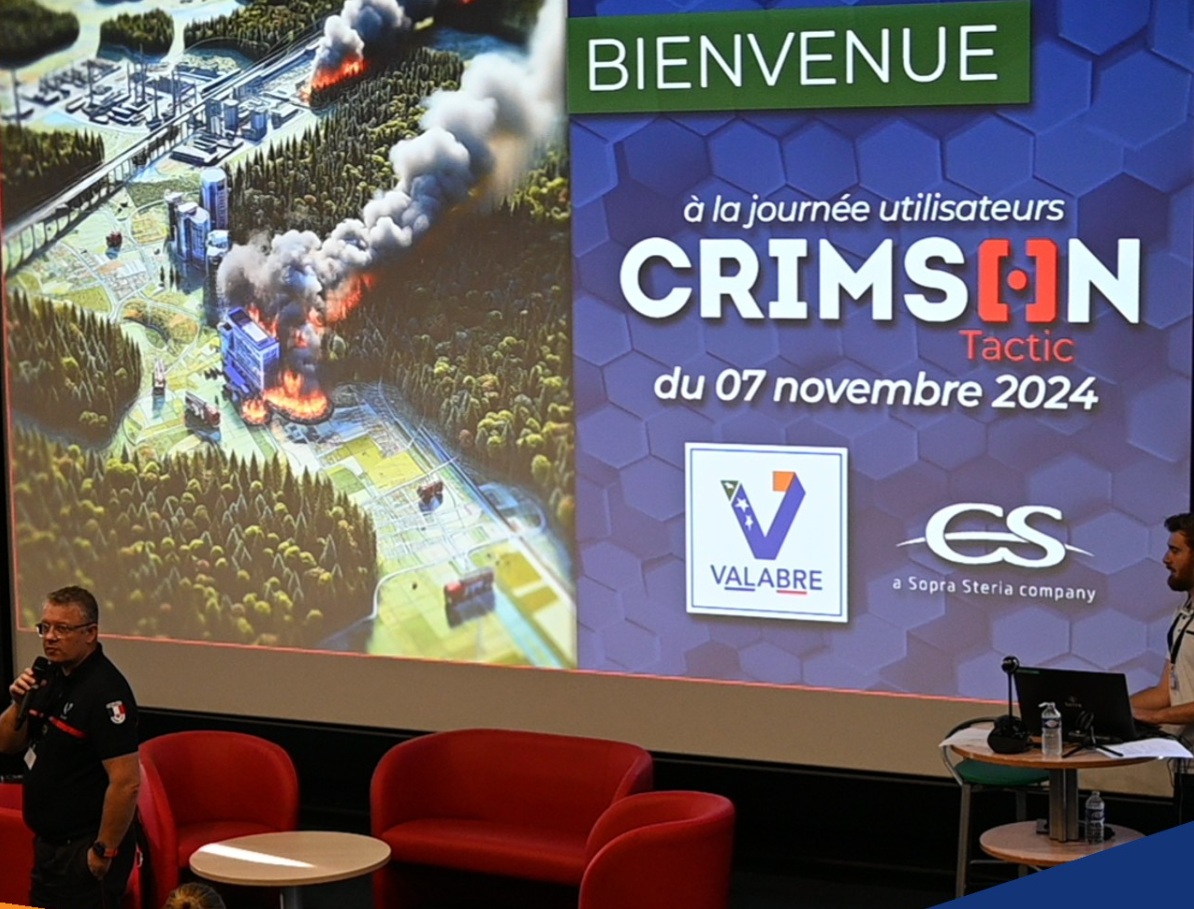
On the 9th of November, our partner Entente Valabre organised the Crimson User Day 2023 at the French civil security school in Gardanne. This event brought together a large Crimson community: approximately 130 participants, including some 40 members of the French departmental fire and rescue services, the defence operational centres, the interministerial operational crisis management centre, the forest fire brigade of the Alpes-Maritimes and the Estérel Côte d'Azur agglomeration.
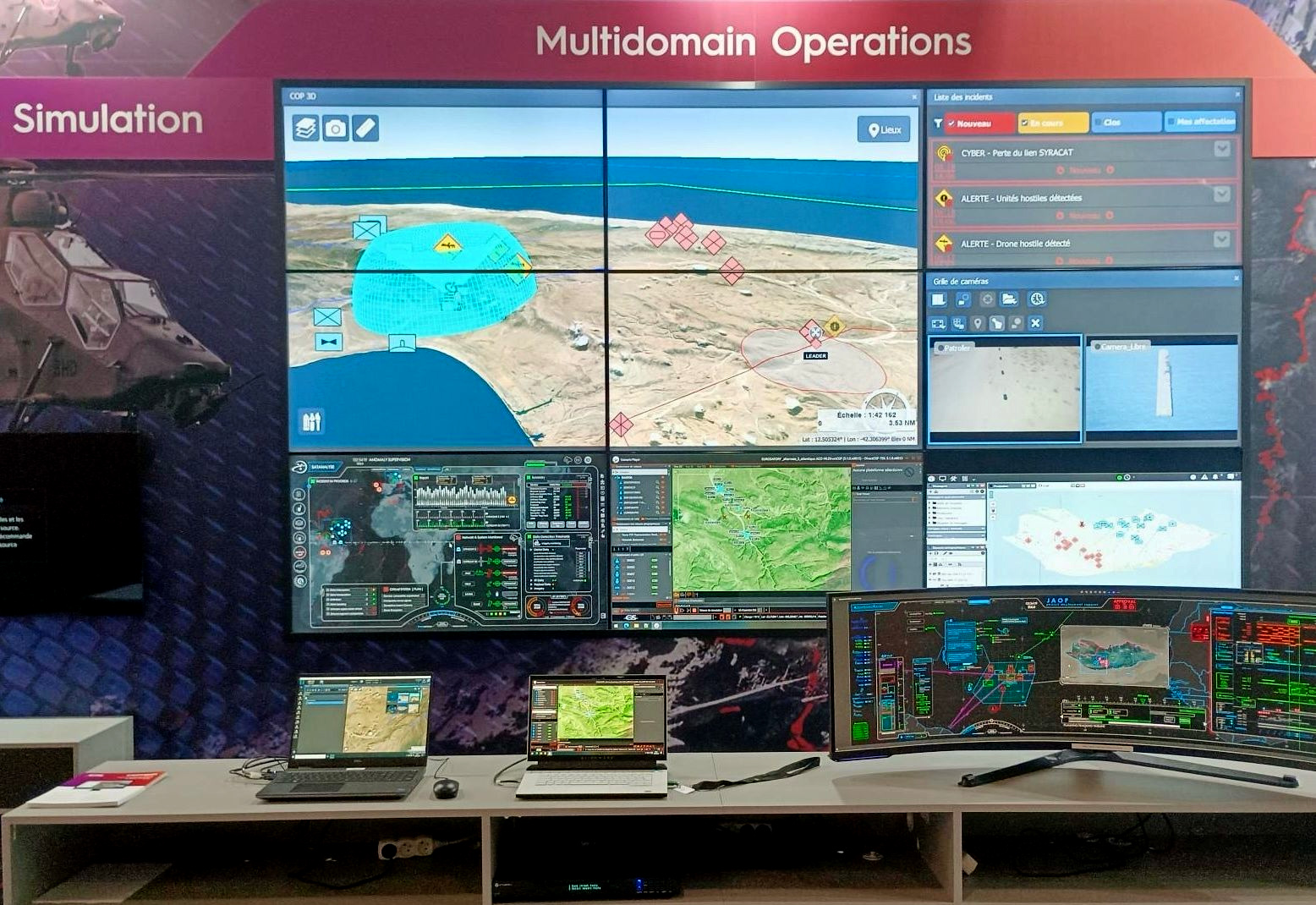
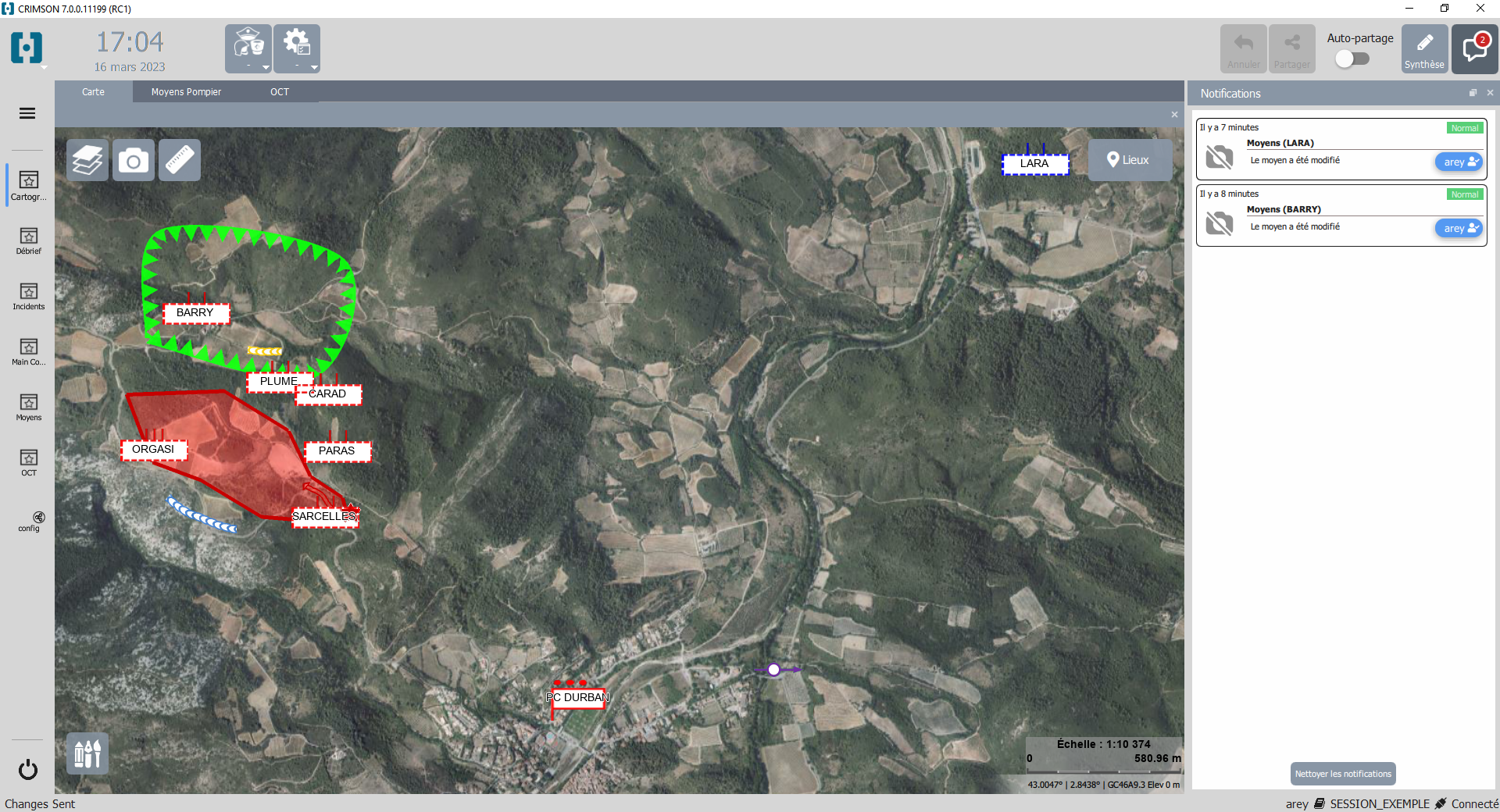
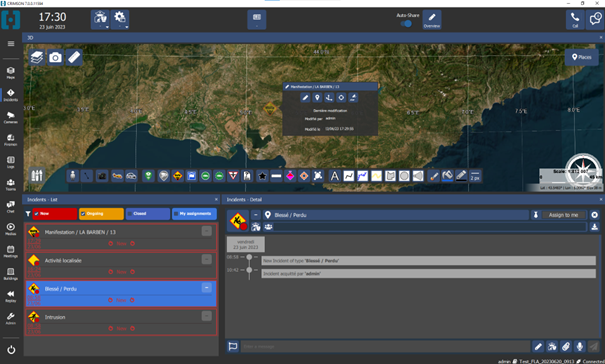
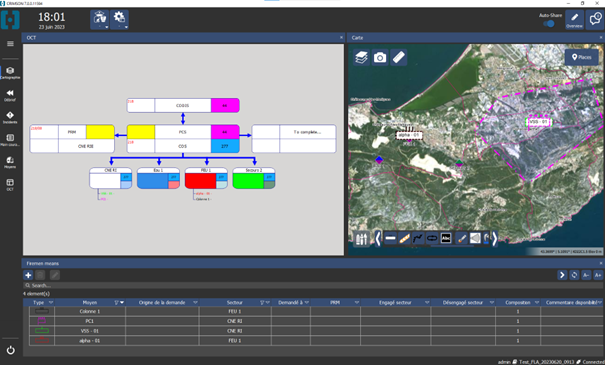
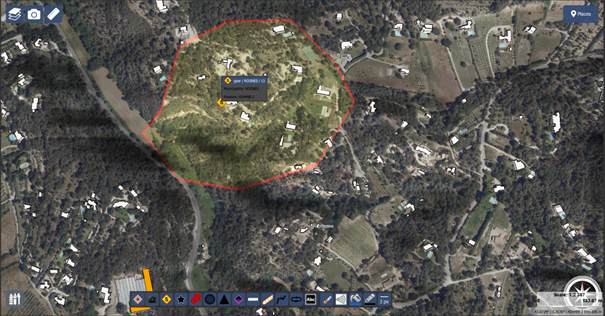
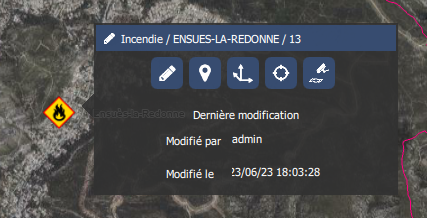
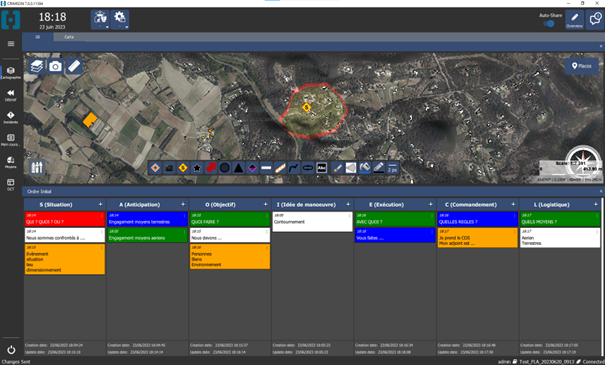
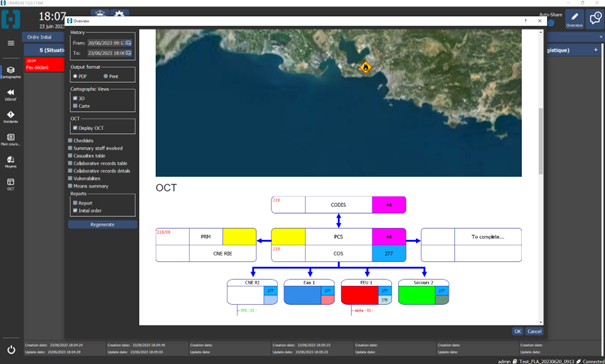
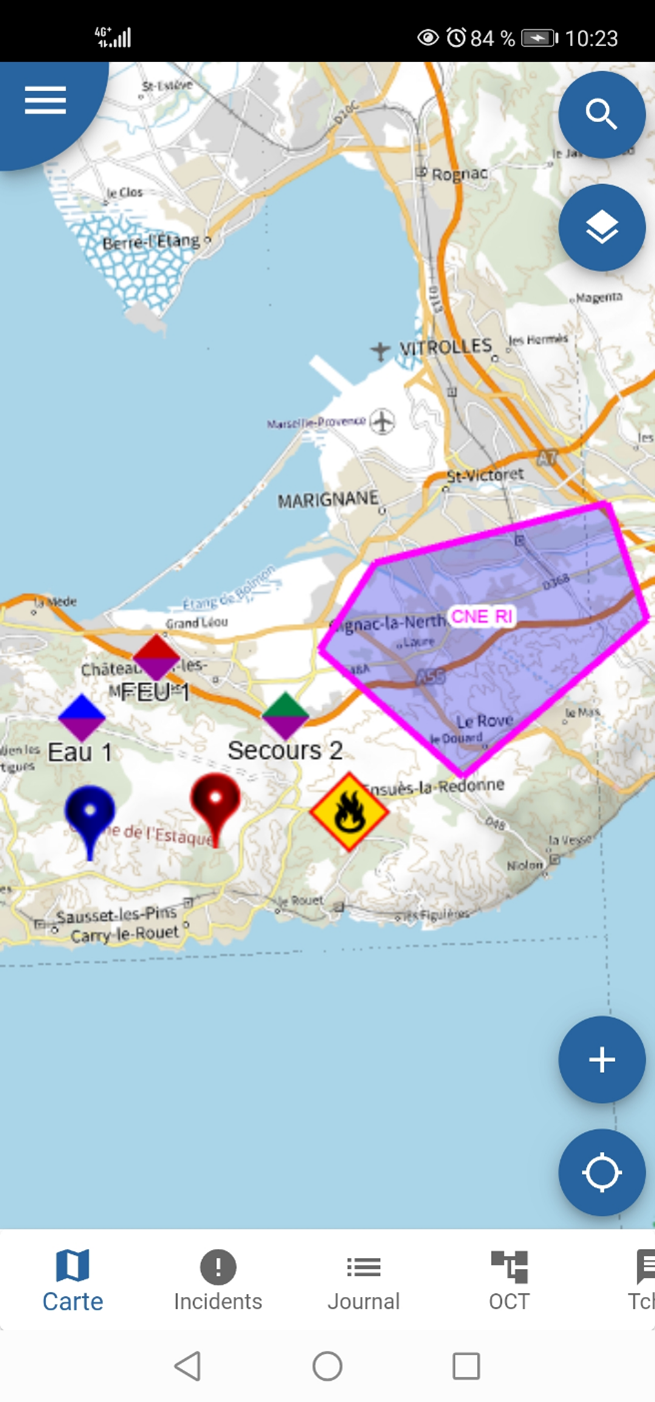
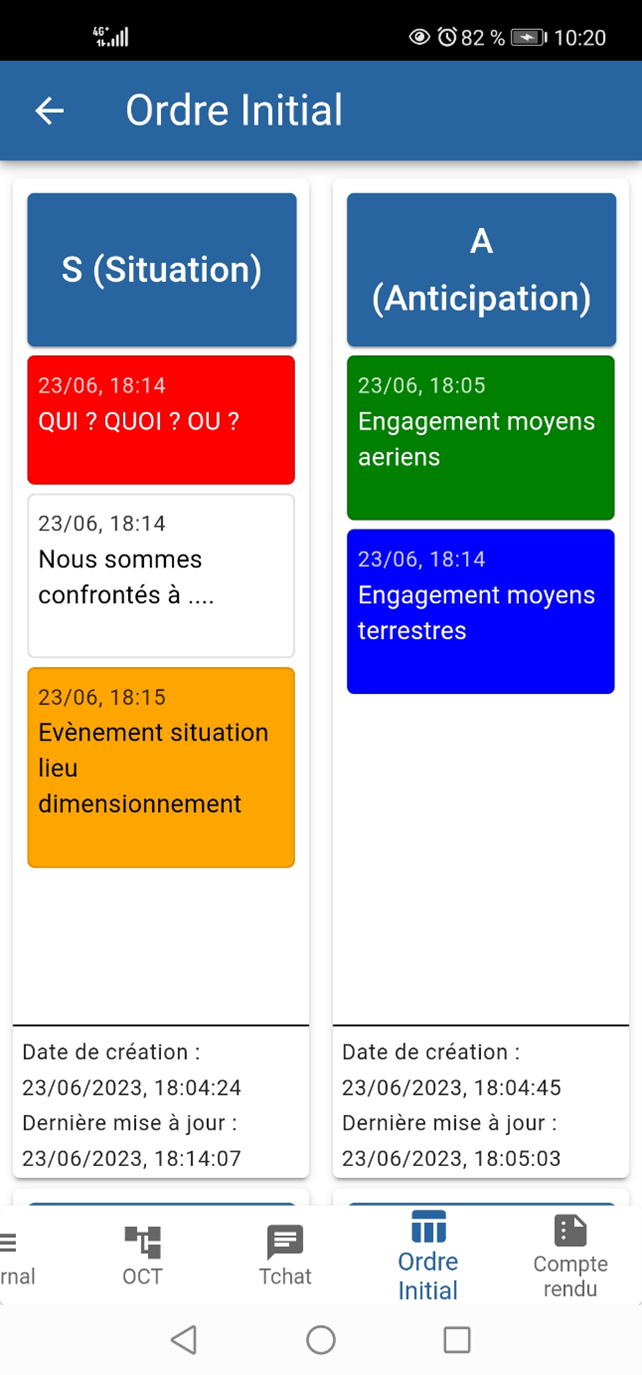
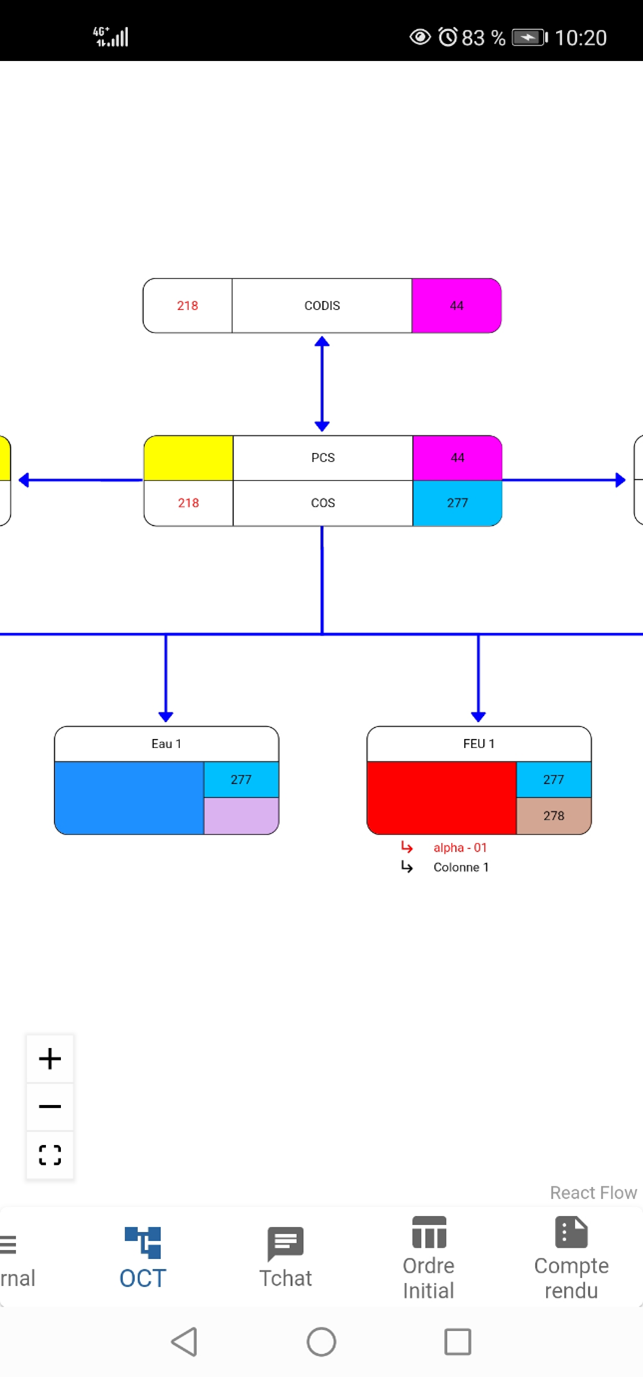
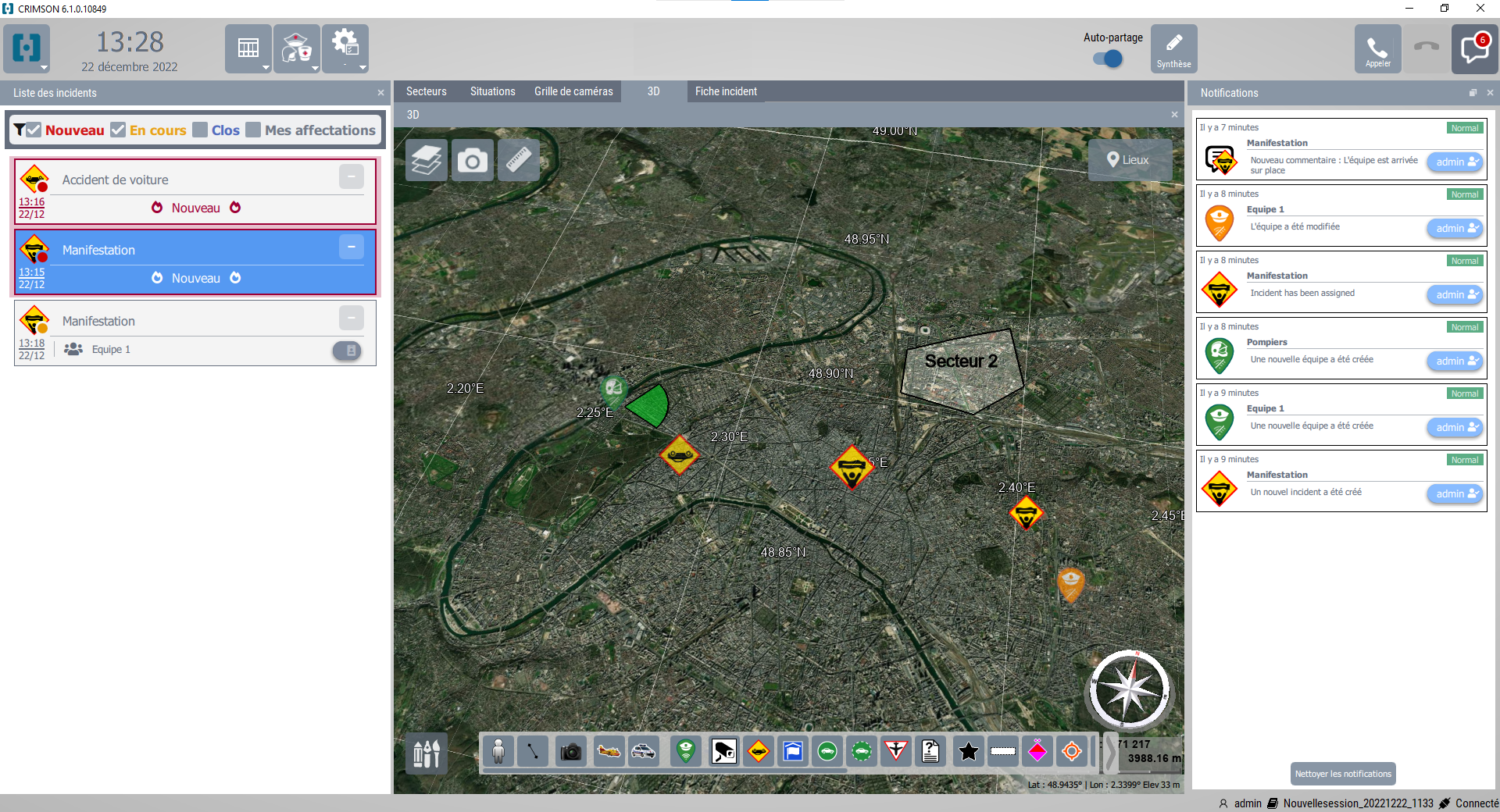
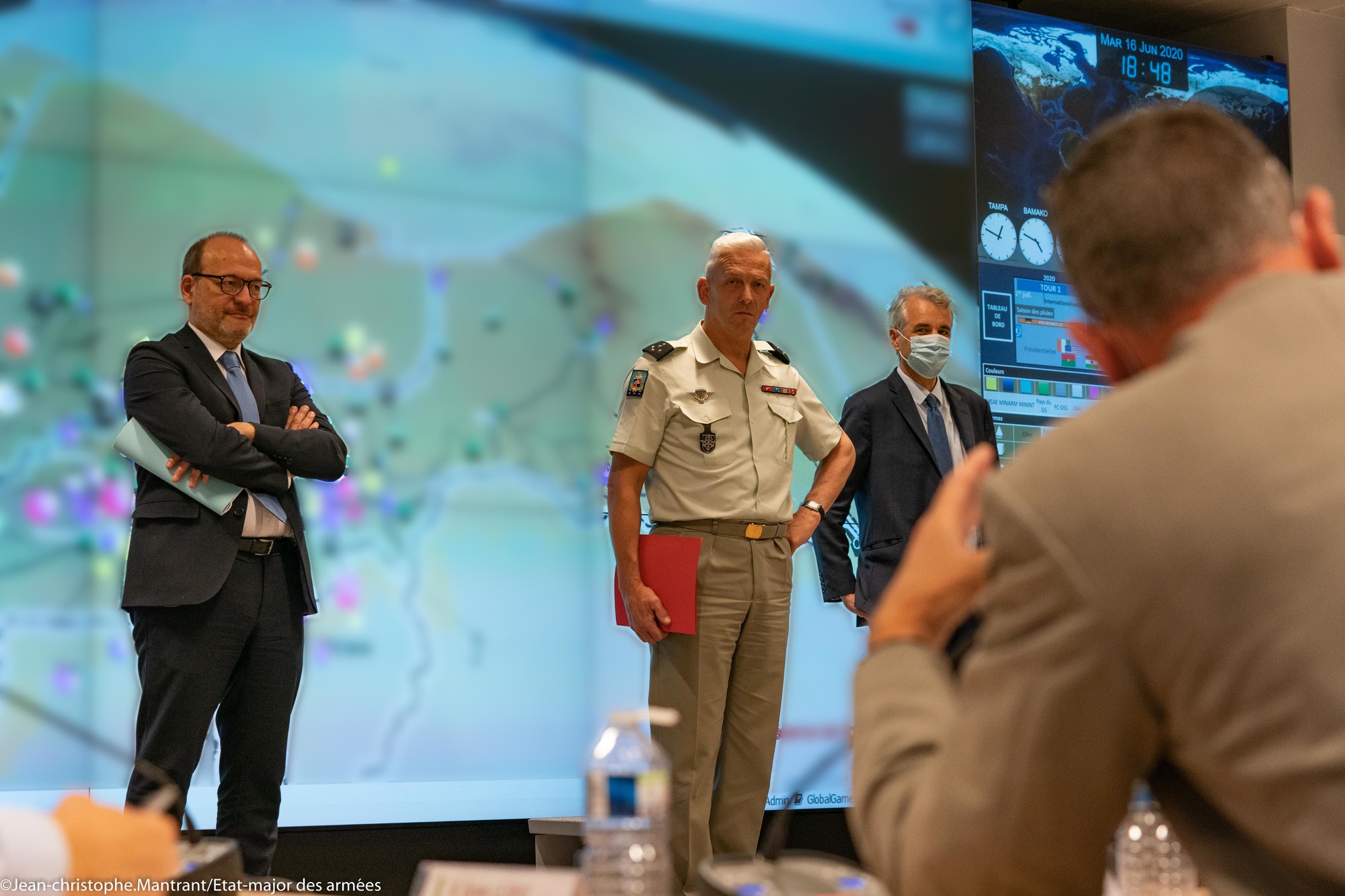
The theme of the event stemmed from the Anglo-Saxon concept of a Common Operational Picture (COP), i.e. a common vision, in real time, of the situation shared by the various stakeholders to promote coordination and collaboration during operations or emergency situations.
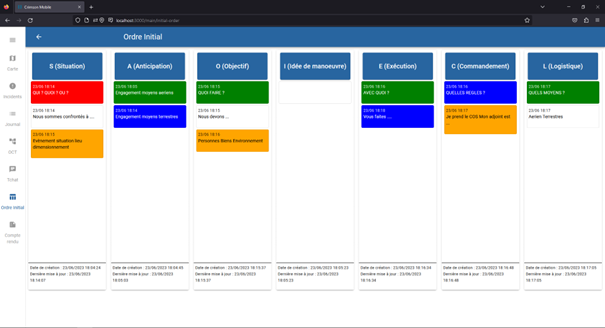
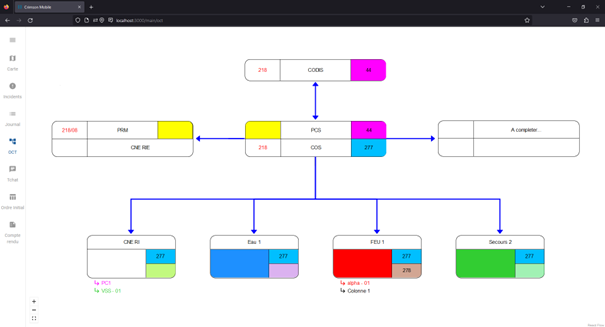
The morning was devoted to use cases and feedback from our users: Crimson-suited mobile command posts; the application of Crimson in emergency planning set-ups; and finally its use by local authorities for emergency plans.
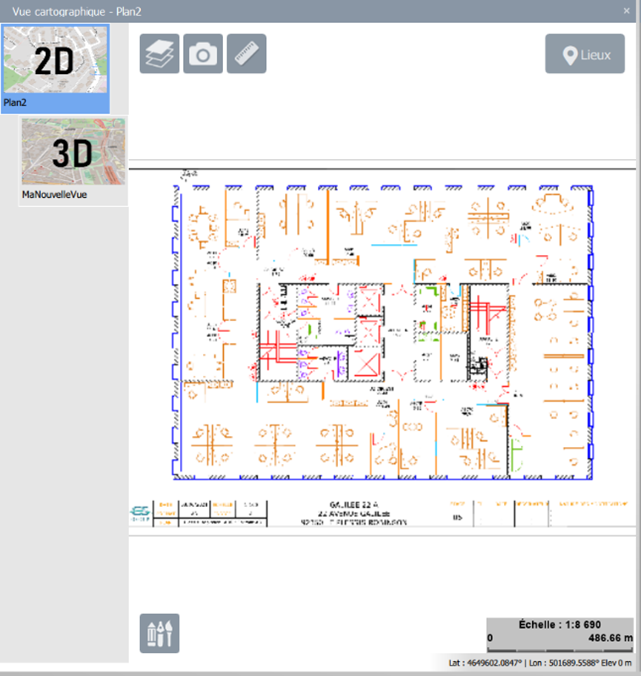
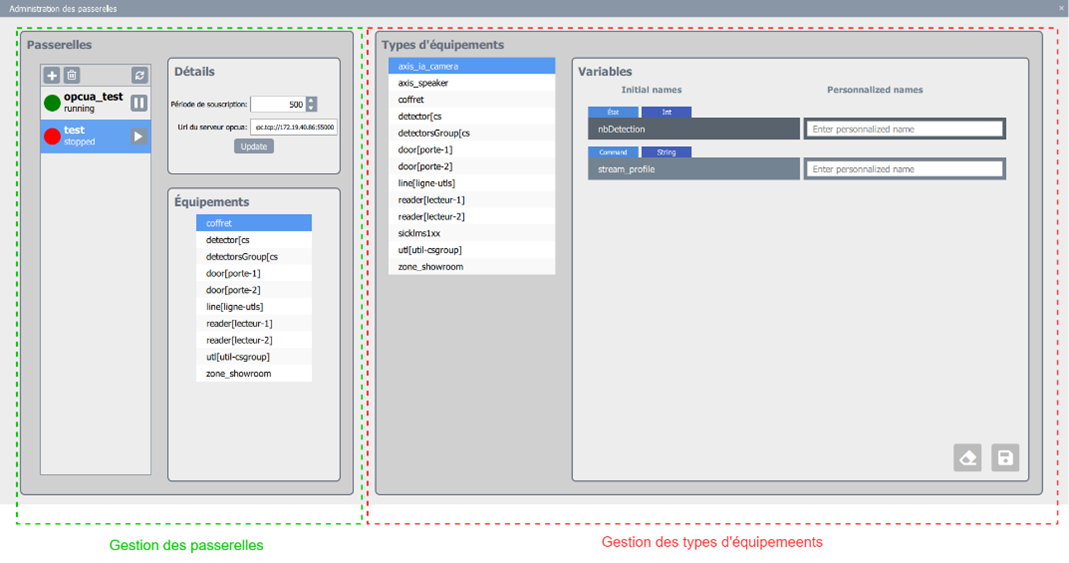
Other topics discussed included Crimson's mapping environment, customised according to user needs, and the development of gateways to interconnect with departmental, zonal and national alert and operations management systems. Systel and the French digital agency of civil security were also present to talk about interfacing with Crimson.
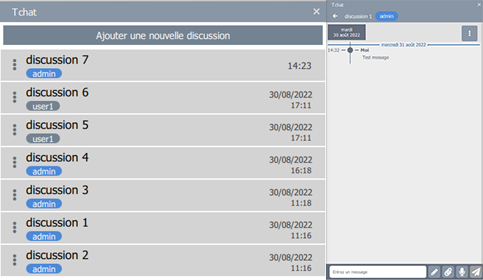
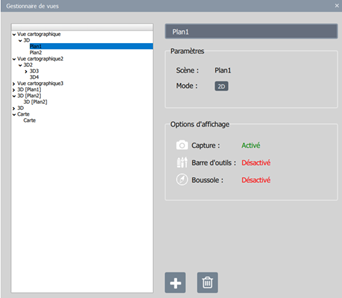
In the afternoon, CS GROUP presented the latest Crimson release (the v7): the interface overhaul and the new functionalities, including a light Web version of Crimson. To encourage and facilitate exchanges between users and administrators, a new exchange platform for questions, best practices and requests has been set up for all Crimson users.







 We're thrilled and deeply grateful to see our Crimson product honored by the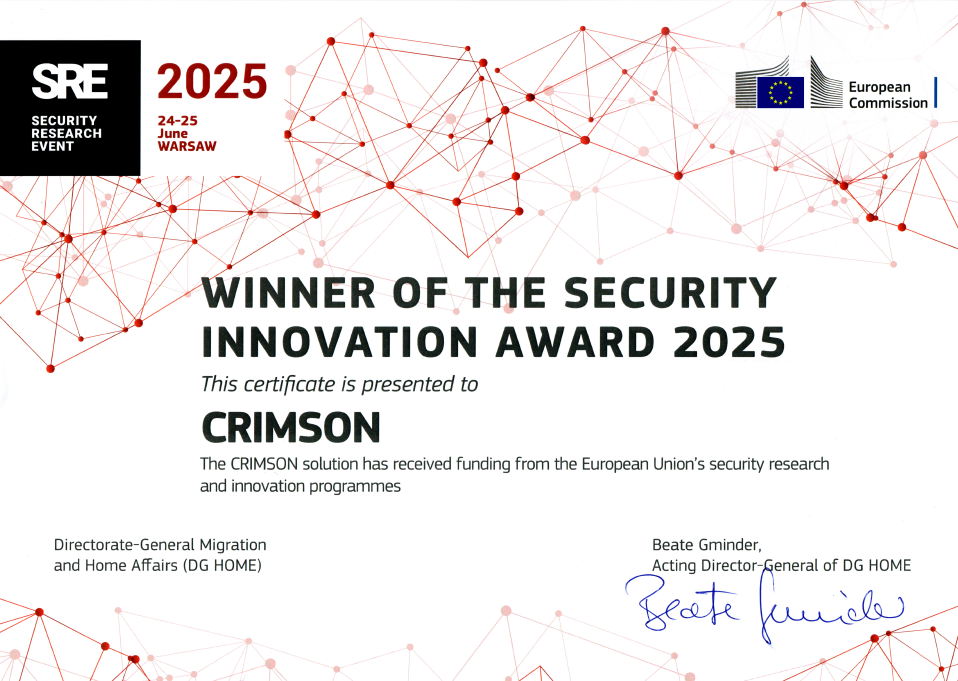

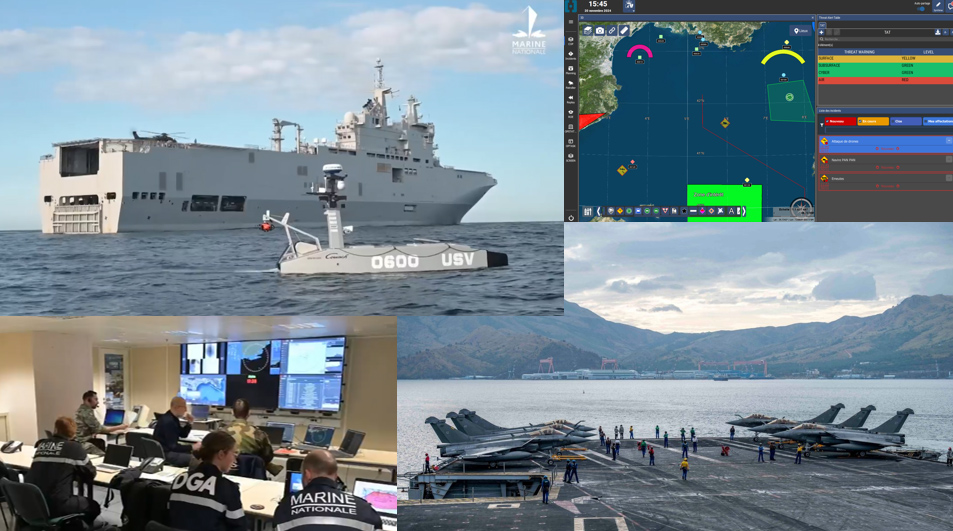

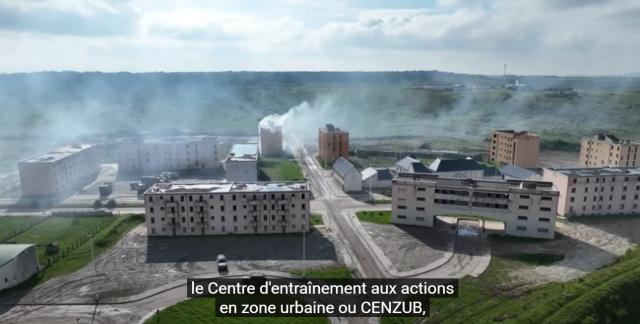




 This deployment takes place in the final phase of the @iProcureSecurity PCP project that received funding from the European Union's Horizon 2020 research and innovation programme. The iProcureSecurity PCP groupment of Buyers has selected the
  i-TRIER is a flexible, modular, open, interoperable yet strongly integrated Triage Management solution that aims to enhance the effectiveness and efficiency of Emergency Medical Services (EMS) and Civil Protection agencies in decision making, management and response to major emergencies related to natural disasters or man-made incidents, meeting the requirements of iProcureSecurity PCP.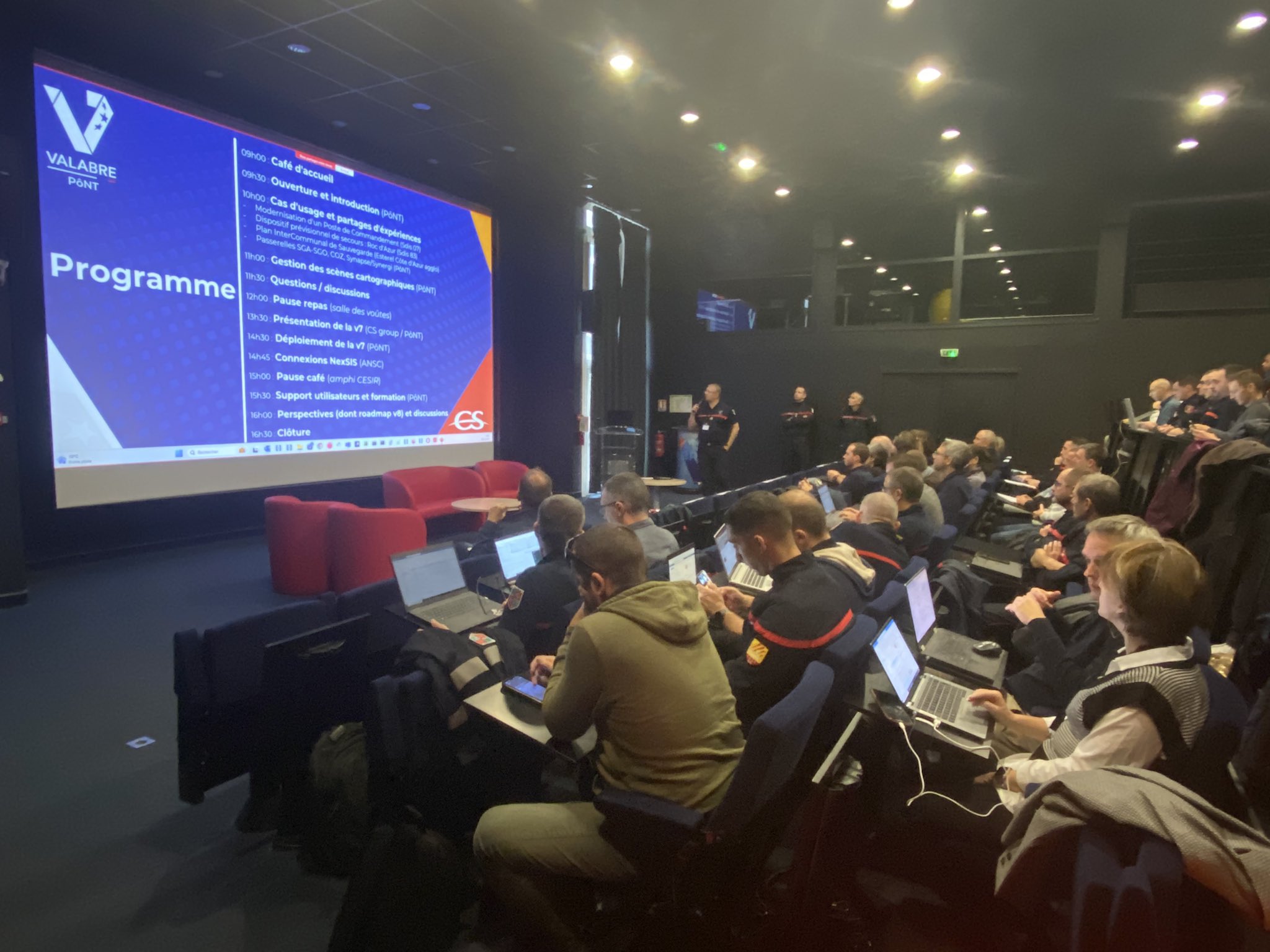
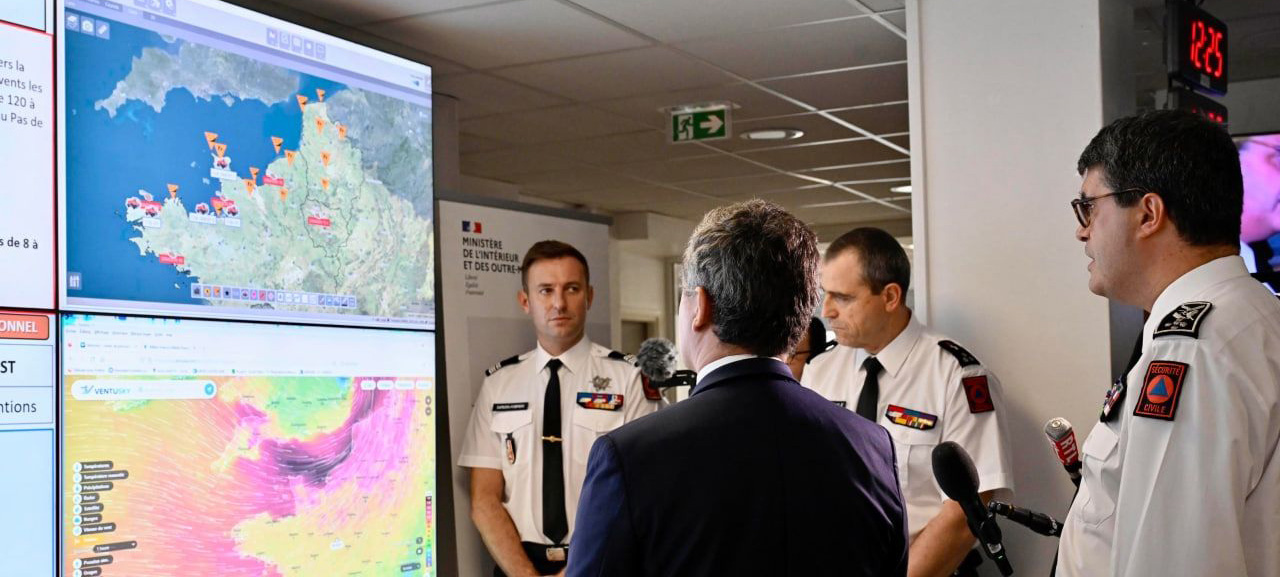
 We are proud to announce that Crimson has been installed at the COGIC for the interministerial crisis supervision and management. The COGIC is the French national crisis management operational centre operating under the authority of the Ministry of the Interior. It analyses and manages natural and technological disasters, provides situational information and interfaces with the operational centres of other ministries, and coordinates the crisius management response and resources throughout the country.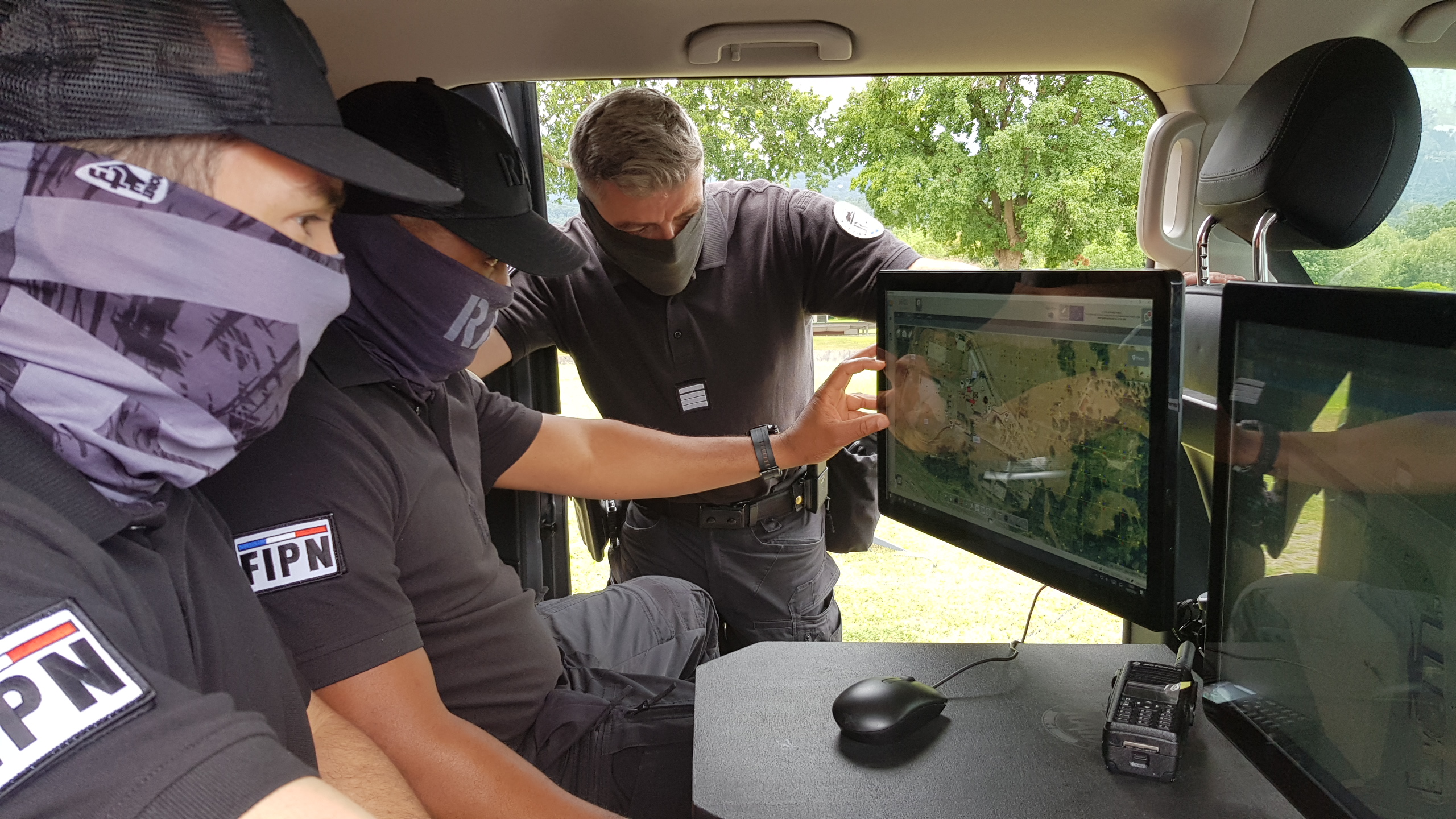






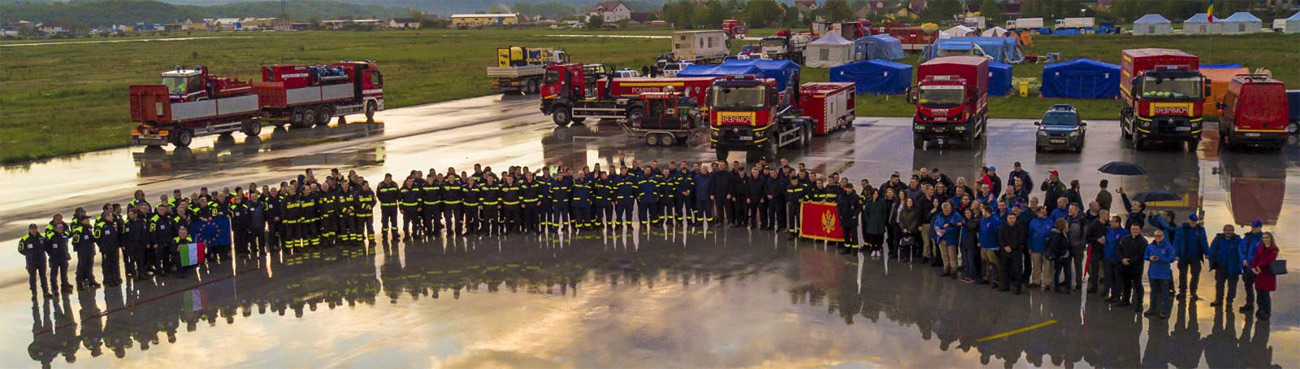

 (ERCC) to share real-time situational awareness.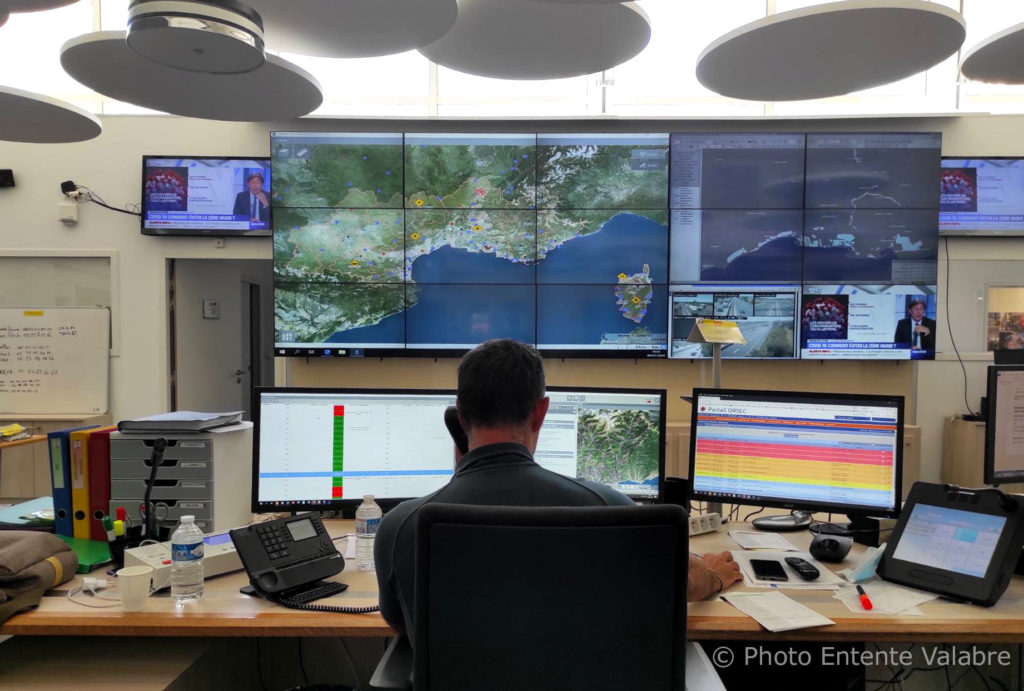
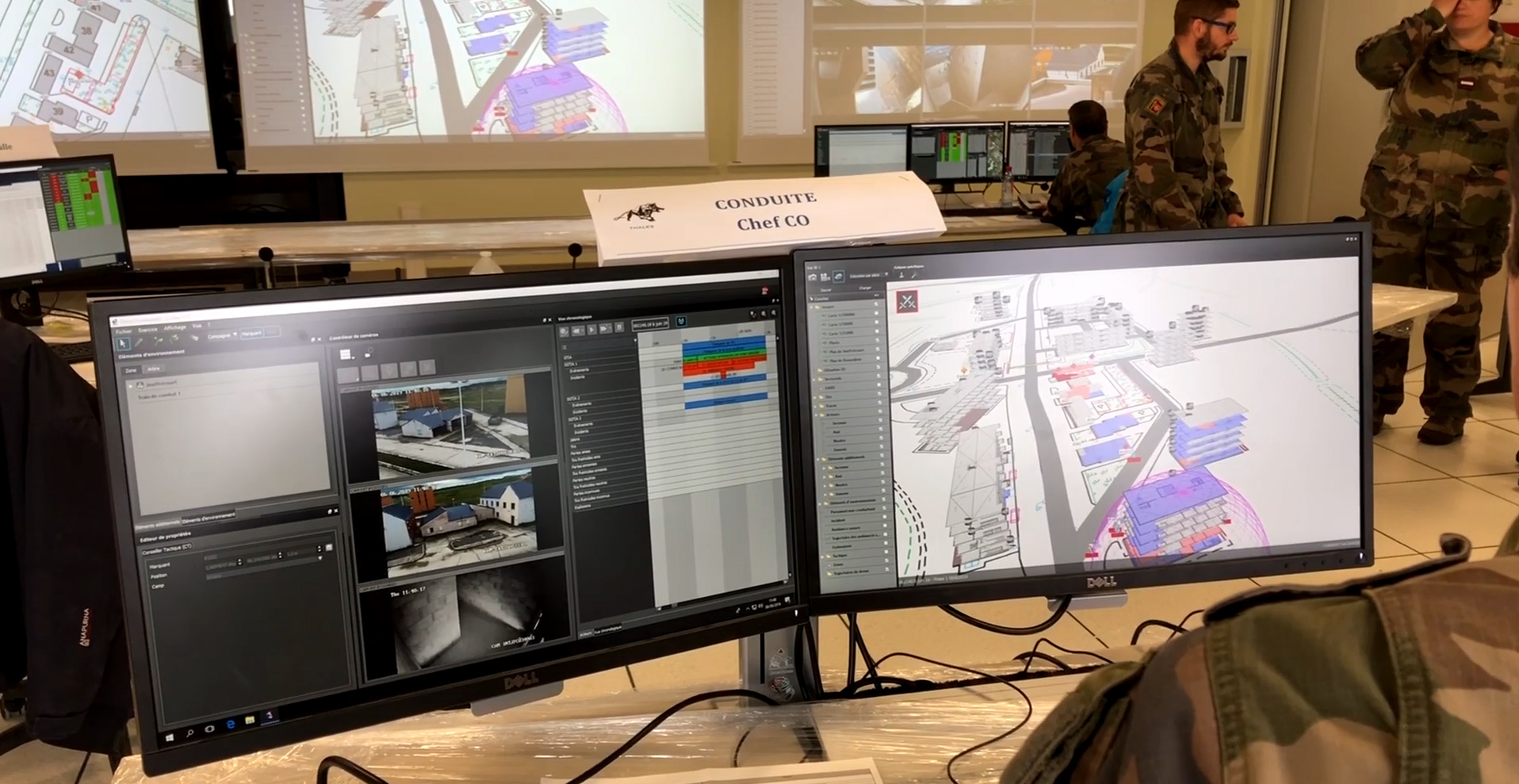
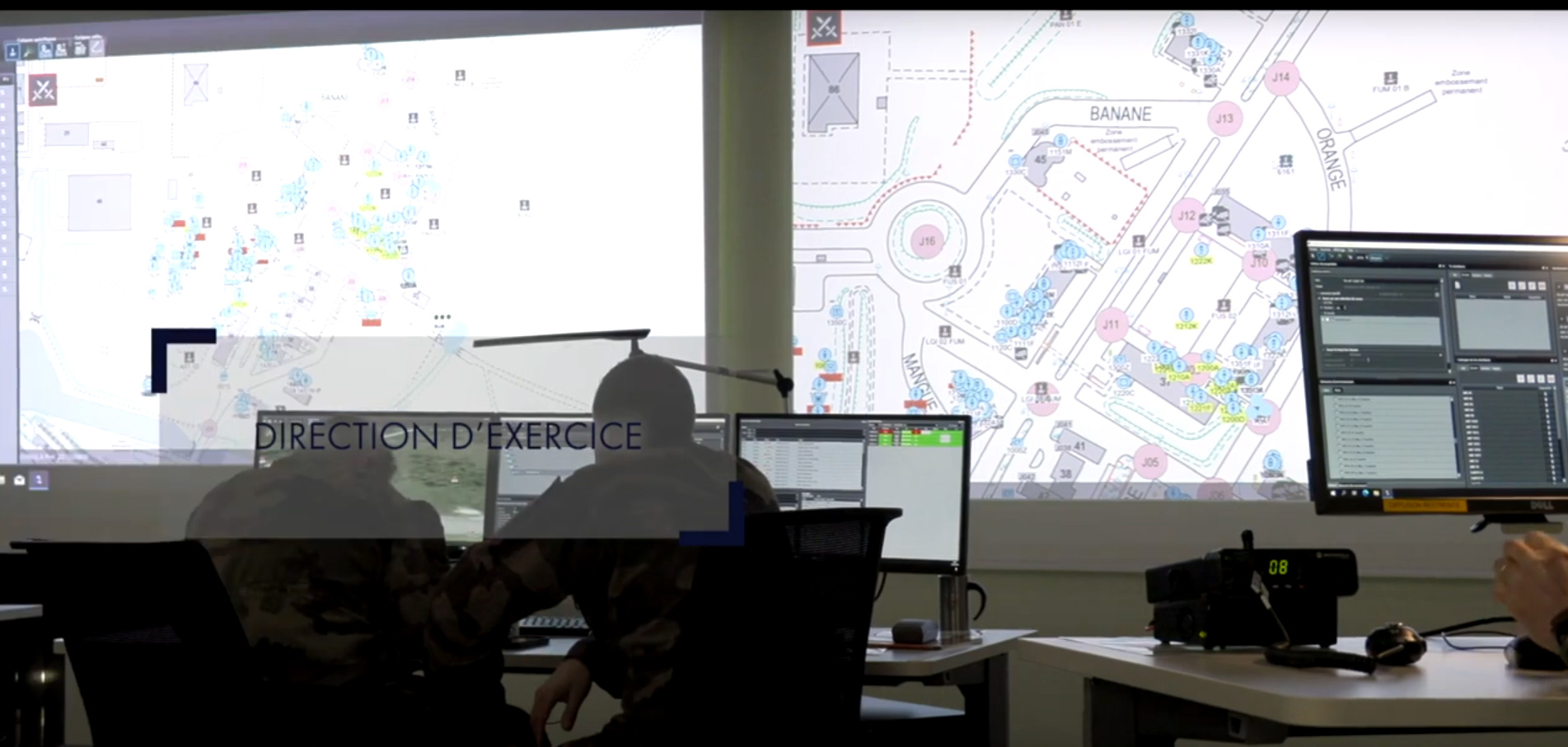
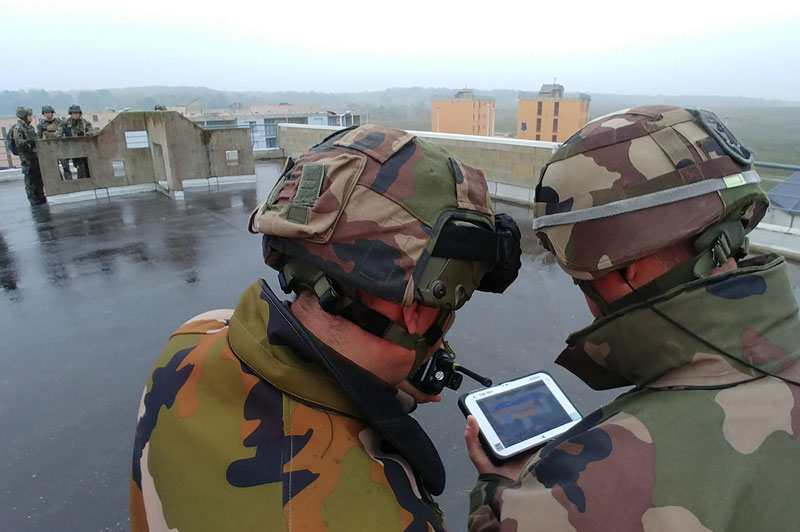
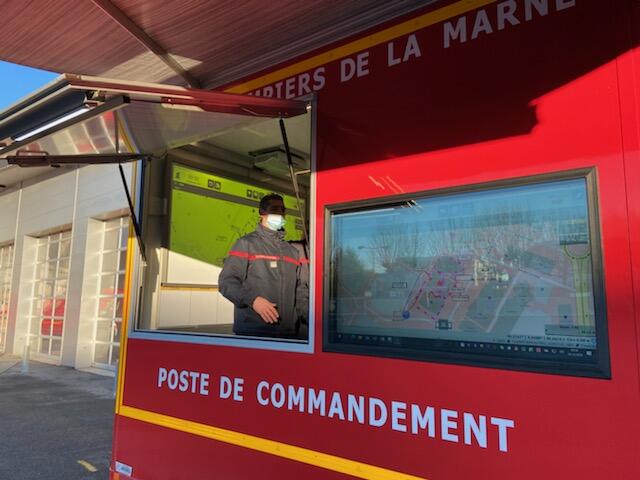
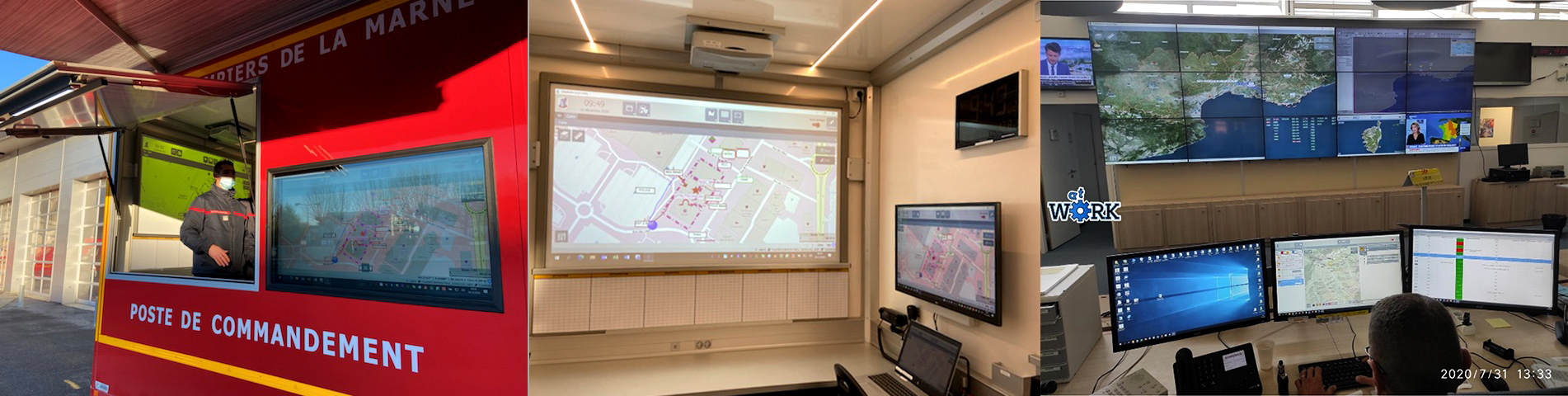
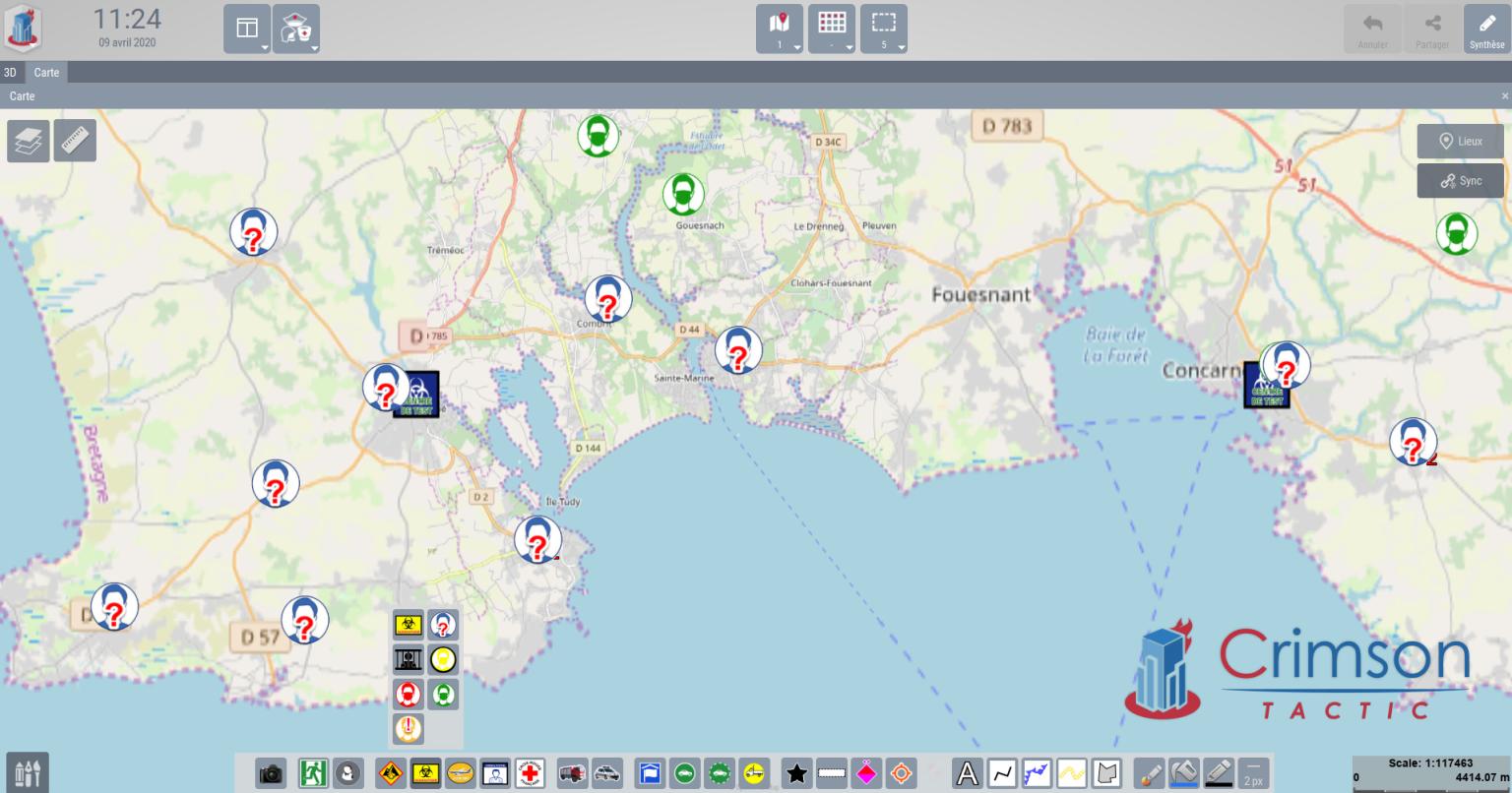
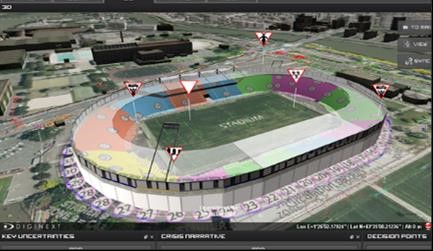

 Last February, a partnership agreement was signed between the Valabre Agreement, Pole New Technologies and Risk Management (PONT) and SDIS 29. The objective of the agreement is to define a framework for close collaboration between the signatory parties for the use and development of a new crisis management support software (CRIMSON), within the project named ANANKE. The ANANKE project was born from the primordial need to control the management of a crisis and ensure the maintenance of security to be effective through the use of decision support tools. Very sensitive to the risks encountered on its territory, and in particular the flood risk, Quimperlé assumed the role of pilot city to test and develop the software resulting from the ANANKE project, thus contributing to its optimization. Today, software development is carried out by the company DIGINEXT. The CRIMSON software is a real tool to help piloting and to share the crisis situation, it is designed to be used within the Advanced Command Posts (ACP) of the fire brigades or the Communal Command Posts (CCP).
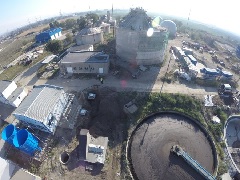


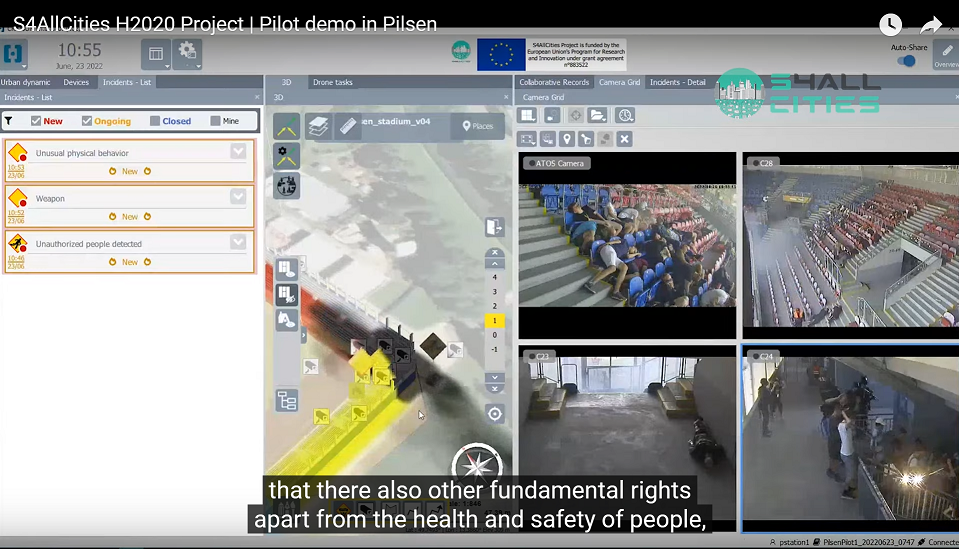
Crimson was put to good use as the Physical Security Information Management (PSIM) system allowing the centralisation of alarm notifications, the correlation of all sensor data and the sharing of information, within and across services.
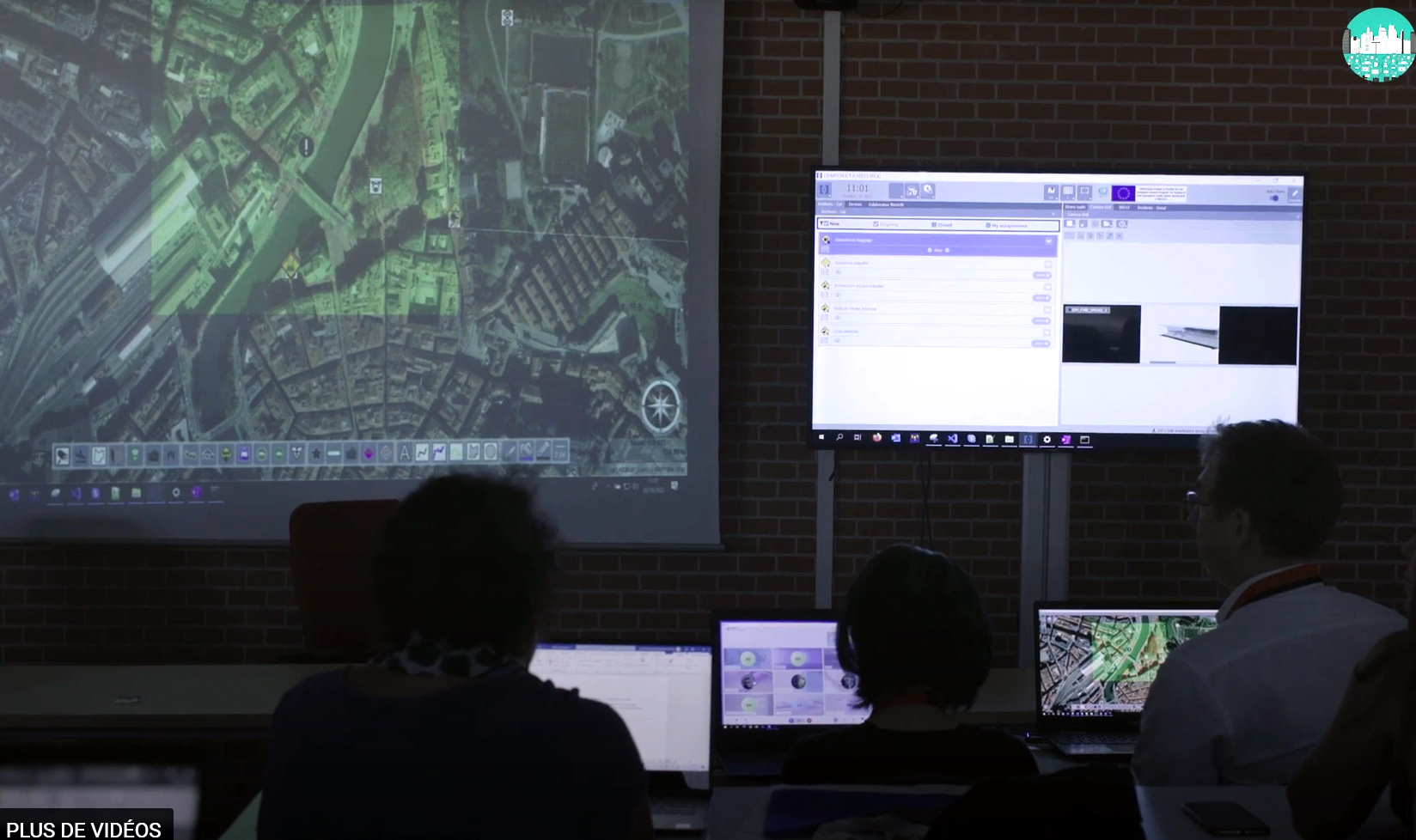
This video is a great illustration of Crimson as a Common Operational Picture (COP), providing real-time, global situational awareness and all-round decision aid and coordination.
The next pilot will be taking place in Bilbao, Spain in October.